
Tulsa Flickering Light Repair
Fix Flickering Lights In Tulsa
Flickering lights are more than just an annoying inconvenience—they can be a sign of an underlying electrical issue that needs professional attention. At Mr. Electric, we understand how frustrating it is to deal with lights that won’t stay steady, and we are here to help. Our expert electricians are skilled in diagnosing and fixing the root causes of flickering lights, ensuring your home or business is safe, functional, and comfortable.
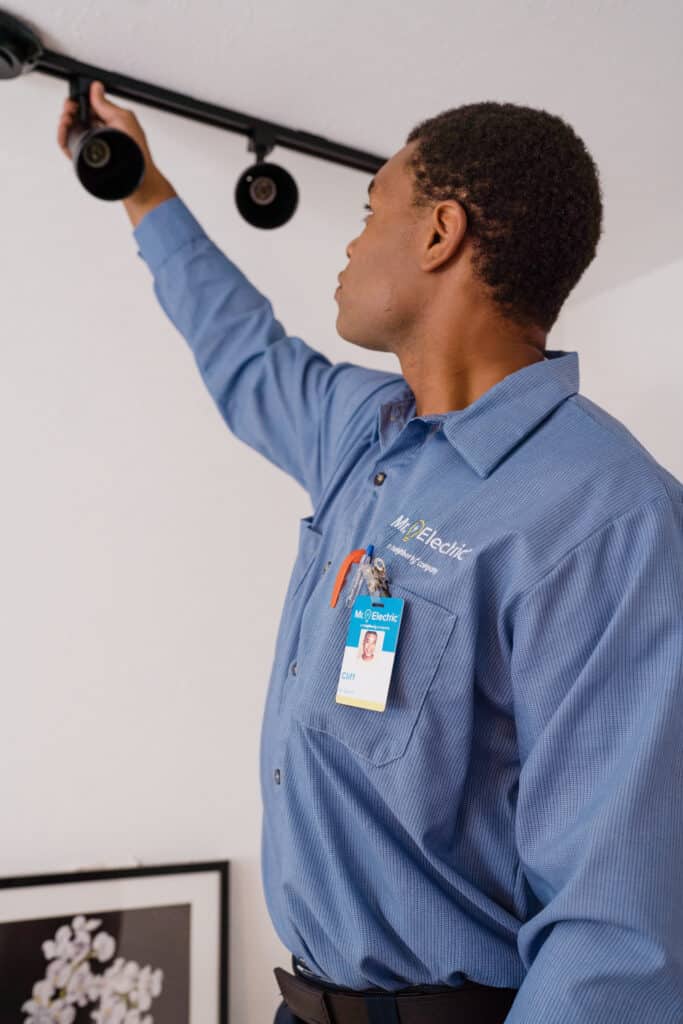
Why Are My Lights Flickering?
There are several potential causes of flickering lights, some of which can be harmless, while others may indicate a more serious electrical issue. Here are some common reasons why lights flicker:
- Loose or Faulty Light Bulb Sometimes, the simplest explanation is the right one. If the light bulb is not properly screwed into the socket, it may flicker. Try tightening the bulb to see if the problem resolves. If this doesn’t work, the bulb may be defective and should be replaced.
- Faulty Switch or Dimmer A faulty light switch or dimmer can cause inconsistent power flow to the light fixture, leading to flickering. If the flickering happens when you adjust the dimmer, it may be time for a replacement.
- Loose Wiring Connections Loose wiring in light fixtures or electrical boxes can result in flickering lights. This is one of the more serious causes and can present a fire hazard if left unaddressed.
- Overloaded Circuit When too many devices are connected to a single circuit, it can overload the system and cause lights to flicker. If the flickering happens when other appliances or electronics are in use, an overloaded circuit could be the culprit.
- Voltage Fluctuations If the voltage in your home fluctuates too much, lights may flicker. This can happen for various reasons, including problems with the local power grid or issues with your electrical panel.
- Electrical Panel Issues A malfunctioning electrical panel can cause a range of problems, including flickering lights. Issues such as a tripped breaker or loose connections in the panel should be inspected and repaired by a professional.

Our Tulsa Flickering Lights Repair Services
At Mr. Electric, we offer expert diagnostic and repair services for flickering lights. Here’s how we can help:
- Thorough Inspection and Diagnosis Our licensed electricians will begin by inspecting your lighting fixtures, switches, and wiring to determine the root cause of the flickering. We use advanced diagnostic tools to ensure that no problem goes unnoticed.
- Safe and Effective Repairs Once we identify the issue, we’ll provide you with clear, upfront pricing and take care of the necessary repairs, whether it’s replacing a faulty light bulb, tightening loose connections, upgrading a circuit, or addressing electrical panel issues.
- Upgrades to Prevent Future Problems If we determine that your electrical system is outdated or not up to code, we can recommend upgrades to prevent future flickering and enhance your home’s safety and efficiency. This could include rewiring, circuit panel upgrades, or installing surge protectors.
- Preventative Maintenance We also offer preventative maintenance services to keep your electrical system in top shape. Regular inspections and maintenance can help identify potential issues before they become costly or dangerous.
Why You Shouldn’t Ignore Flickering Lights
Fire Hazards
Loose or faulty wiring can lead to electrical fires, which can quickly spread and cause severe damage.
Electrical Damage
Persistent voltage fluctuations or circuit overloads can damage your appliances, light fixtures, and electronics.
Increased Energy Cost
Flickering lights may be a sign of an inefficient electrical system that’s costing you more in energy bills.
Regular Electrical Inspections Matter
Flickering lights are often a symptom of a larger issue in your electrical system. Regular electrical inspections can help catch problems early, preventing bigger, costlier issues down the road. By having a licensed electrician inspect your system on a routine basis, you can ensure that your wiring, circuits, and electrical panel are all functioning properly. This helps to avoid electrical hazards, keep your home safe, and maintain the efficiency of your system.
Don’t wait until the power goes out
Contact us today to schedule your electrical inspection, so you can enjoy a flicker-free, well-functioning home.
Flickering Lights FAQ: What Tulsa Homeowners Want to Know
What warning signs mean I should call an electrician immediately, not just schedule a routine visit? + -
If flickering shows up along with a burning smell, buzzing outlets or switches, warm cover plates, or discolored outlets, stop troubleshooting and call us right away. These are signs of an active electrical hazard, not a minor annoyance, and they shouldn't wait.
Can I troubleshoot flickering lights myself before calling a professional? + -
Checking that a bulb is fully screwed in or swapping it for a known-good one is a safe first step. Beyond that, we'd recommend leaving it to a professional. Opening switches, outlets, or your electrical panel carries real safety risks, and what looks like a simple fix can sometimes mask a bigger underlying issue.
My LED bulbs flicker with my dimmer switch. What's going on? + -
LED bulbs and dimmers don't always play nicely together. Many dimmer switches were designed for older incandescent bulbs, and if your dimmer isn't LED-compatible, or your LED bulbs aren't labeled "dimmable," flickering is a common result. Swapping in a dimmer and bulbs that are built to work together often solves it.
Why do my lights flicker whenever the AC or a large appliance turns on? + -
This is a classic sign of voltage sag, where a big appliance draws a sudden burst of power and briefly steals voltage from the rest of the circuit. It can be a normal quirk of how your home is wired, but if it's happening often or getting more noticeable, it may mean a circuit is overworked and due for an upgrade.
Is it normal for lights to flicker sometimes, or should I always be concerned? + -
A quick flicker during a storm or when a large appliance kicks on isn't usually cause for alarm. But flickering that happens regularly, gets worse over time, or shows up with no clear trigger is your electrical system telling you something isn't right. When in doubt, it's worth having a licensed electrician take a look rather than waiting to see if it goes away on its own.